
Voice interaction is easy to demonstrate and harder to make comfortable in daily use. Before a companion device moves beyond a demo, several small decisions deserve attention.
Start with the listening environment
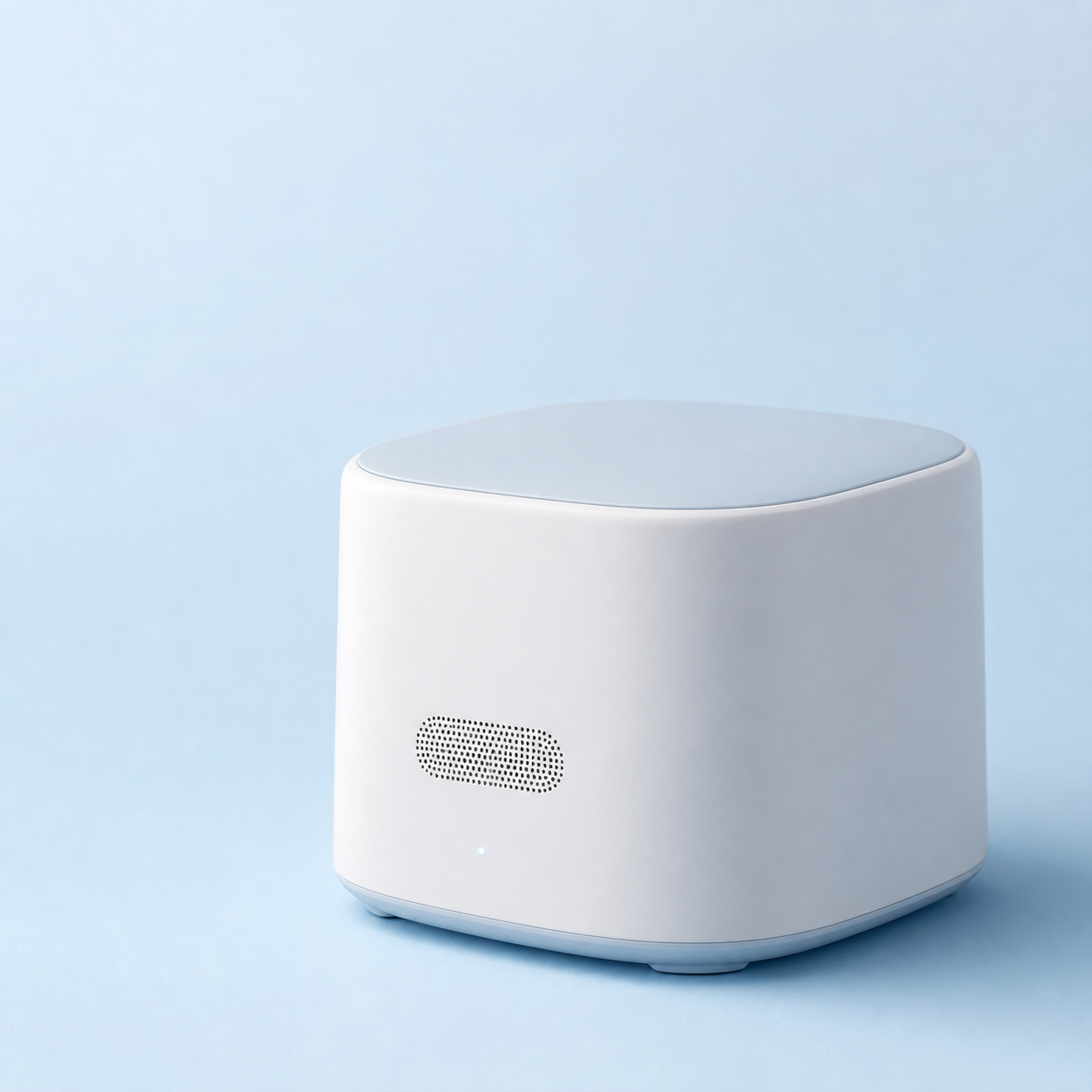
Desktop, classroom and home environments have different background noise, distance and echo patterns. Microphone placement, enclosure openings and speaker position should be evaluated together, not as separate checkboxes.
Choose connectivity around the user journey
Wi-Fi works well where a stable local network and onboarding are available. 4G can simplify deployment in mobile or distributed locations, but brings separate questions around service plans, coverage and device management.
Plan recovery as carefully as onboarding
People notice when a device cannot reconnect, update or explain its state. A practical setup flow, visible status signals and an intentional recovery path make support easier later.
Build the prototype to answer a real question
Instead of trying to prove every feature at once, use the first prototype to validate microphone behavior, response rhythm, network stability and charging in the intended setting.
Vencreat works with teams on the hardware path behind voice companion products, from early definition through technical review.