
Parents often blame a child’s silence on vocabulary, and respond with more word lists and more audio. But the reality is usually this: the child understands, and can even recite — they just will not speak. The real barrier is not vocabulary. It is the fear of being judged for getting it wrong. A practice partner that never gets impatient and always listens lowers that barrier to almost nothing.
The short answer: speaking is practised, not absorbed
Language research keeps confirming the same thing: input volume and output ability are not linear. A child can absorb hundreds of hours of English cartoons and still fail to order a meal in one complete sentence. The reason is simple — listening is passive reception, speaking is active construction, and they draw on entirely different skills.
That is why the market has split into product types that solve three different jobs:
| Product type | What it solves | Does the child have to speak? |
|---|---|---|
| Textbook listening player | Listening: pushes textbook audio and word pronunciation into the ear | Barely |
| Passive story player | Immersion: hours of background audio for language feel | Not at all |
| Adult translator | Translation: you finish a sentence, it renders another | Yes, but no correction or follow-up |
| AI speaking practice device | Speaking: it opens, you reply, and the exchange continues | Every single turn |
The three blockers behind “understands but cannot speak”
Speaking needs turn-taking. Parents have limited hours and tutors bill by the hour, so real speaking time can fall under ten minutes a week.
Uncorrected pronunciation and grammar turn into muscle memory, only surfacing at an exam or an interview.
Talking to a real person in a foreign language creates pressure. A partner that does not judge is what gets a child past the first sentence.
What we built: palm-sized, power on and talk
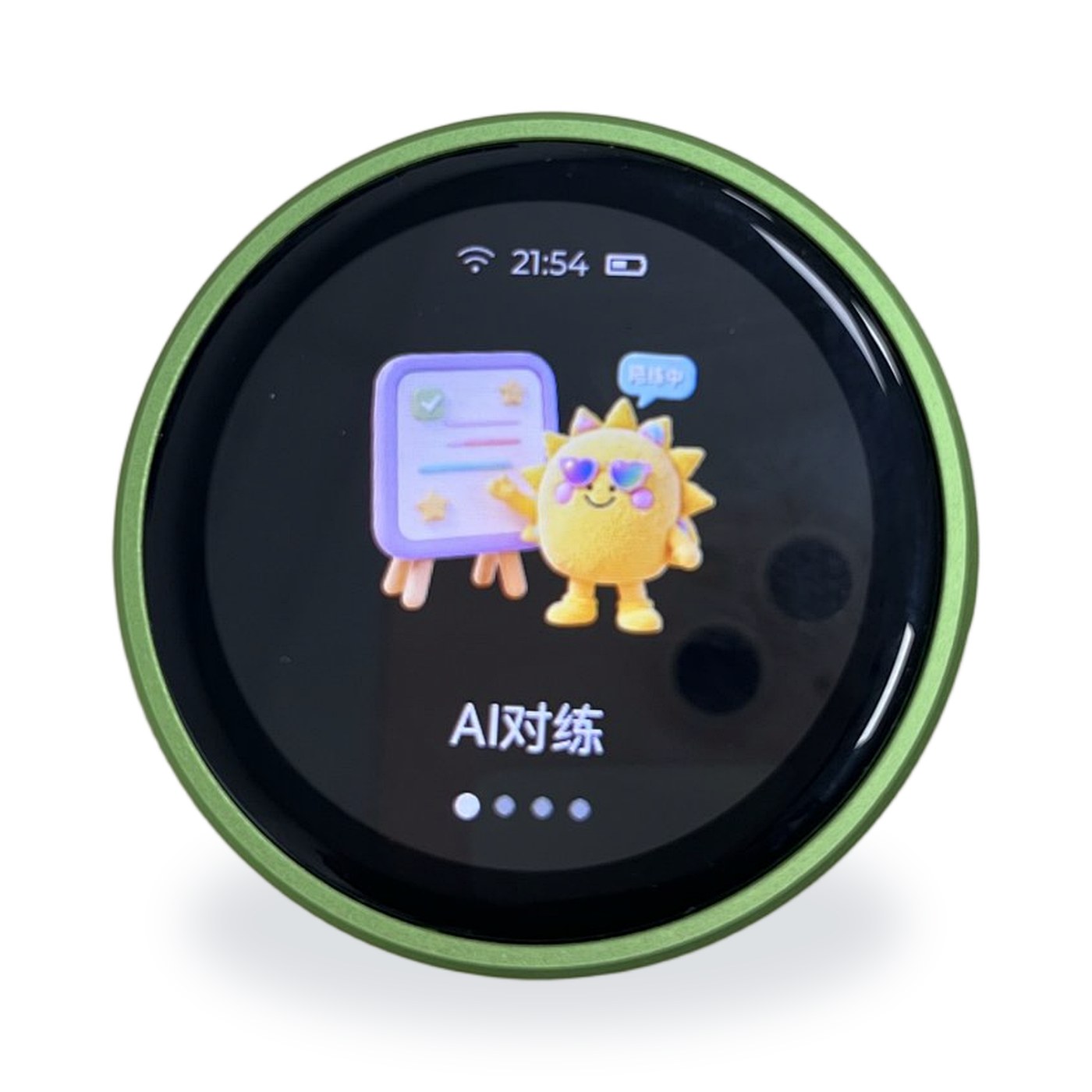
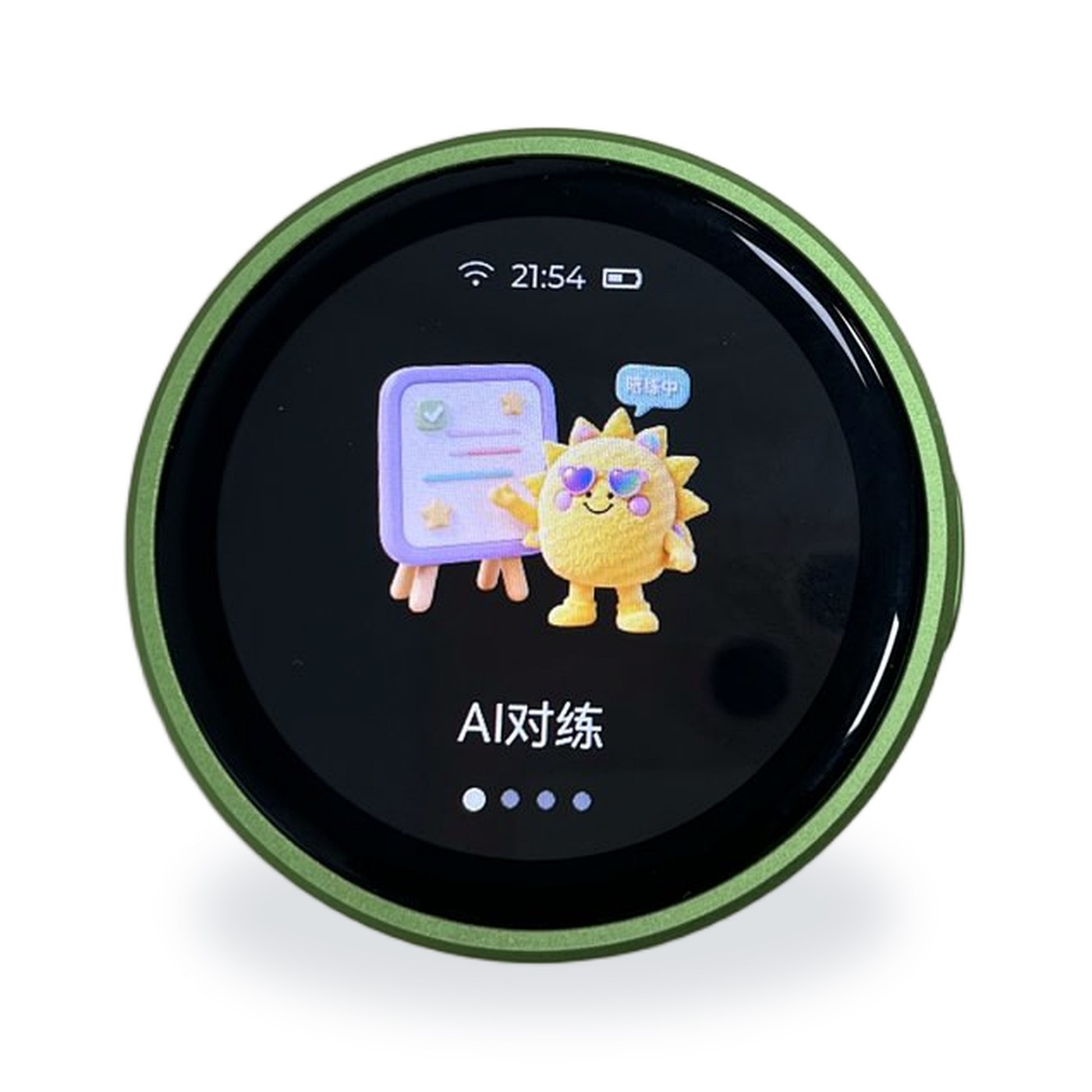
- AI speaking practice: pick a scenario and a character; the device speaks first and the child replies, turn after turn.
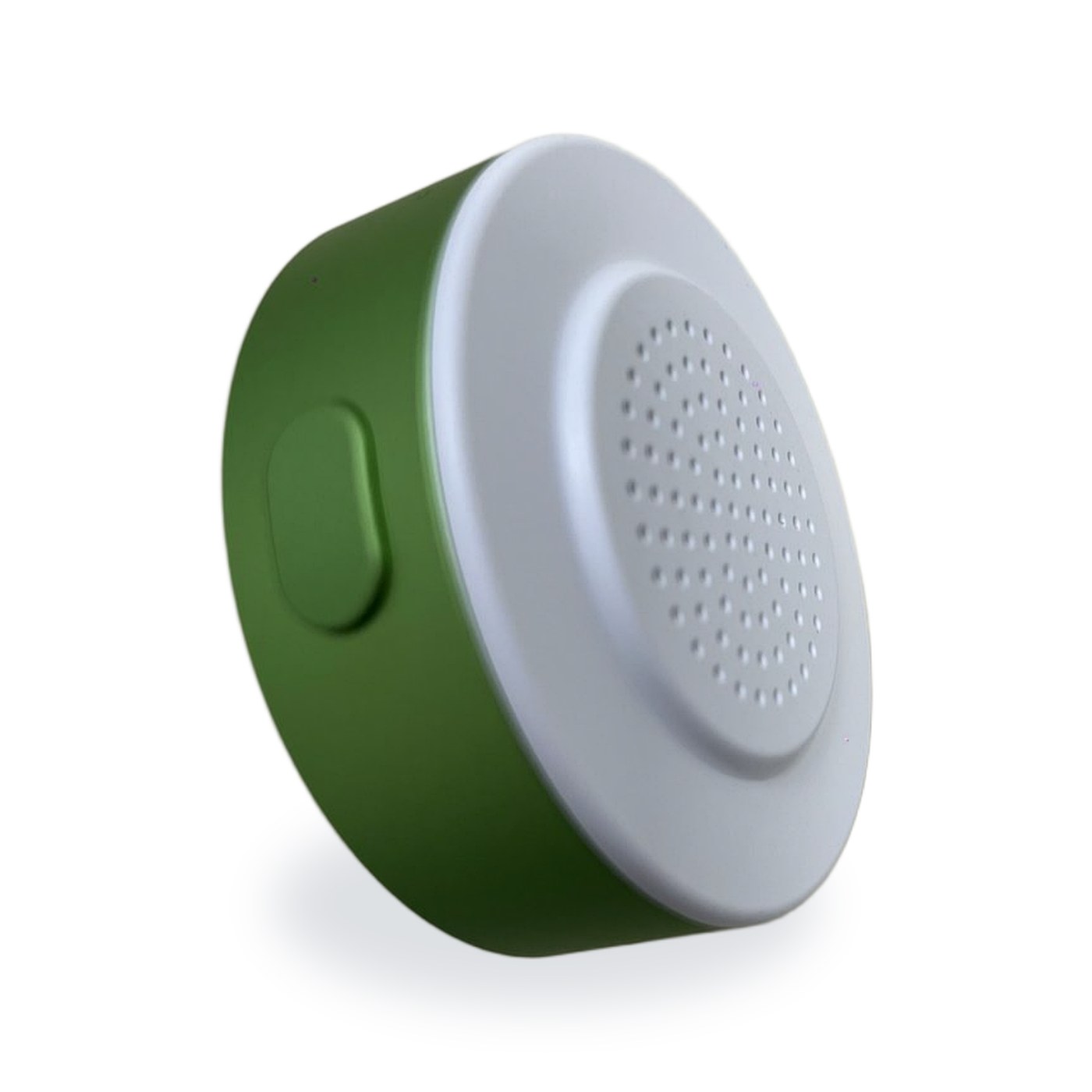
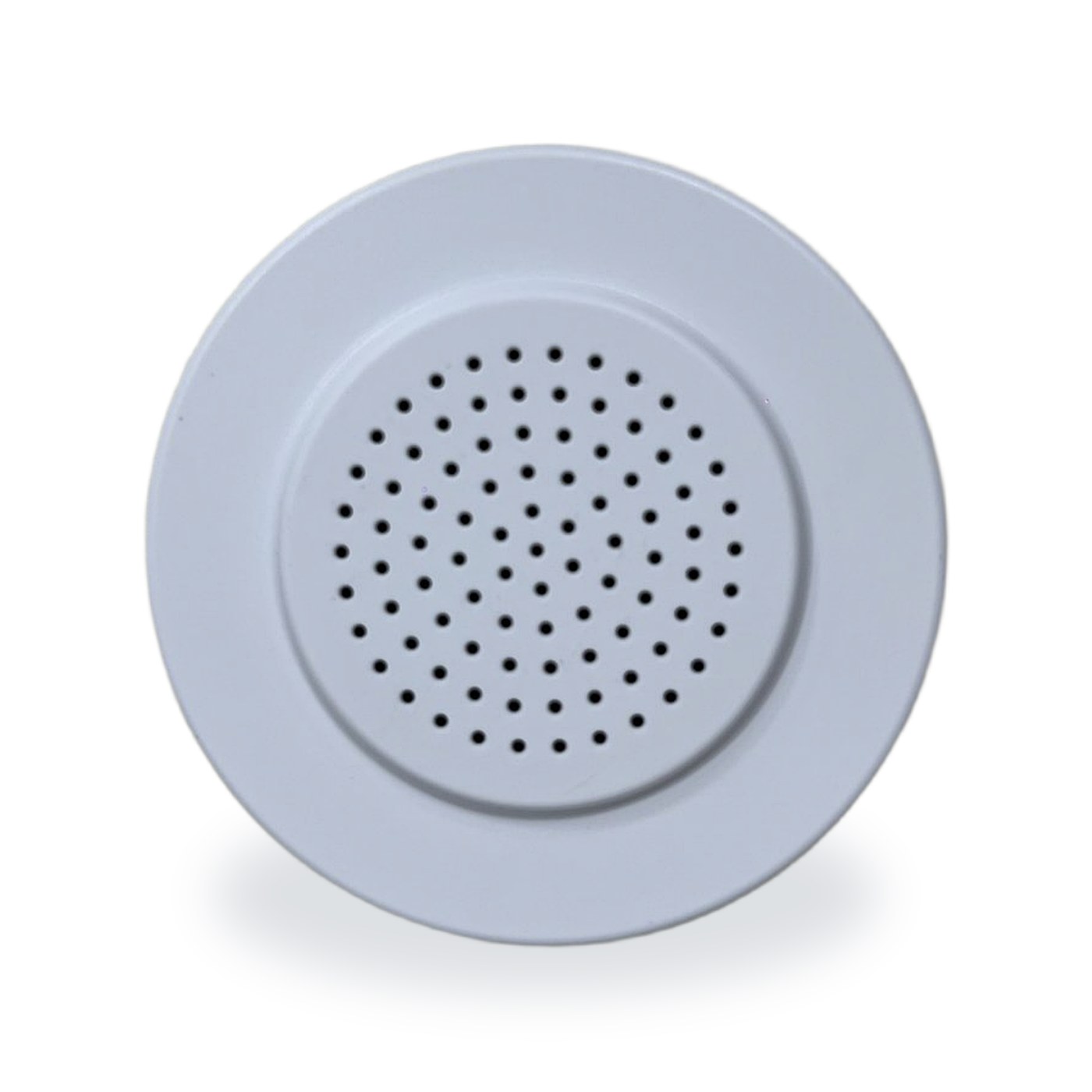
- Pronunciation scoring: a dual-mic array captures at 48 kHz; each sentence is scored with a more natural alternative offered.
- Instant AI translation: Chinese–English translation without breaking the flow, doubling as a pocket translator.
- Wordbook: missed and mispronounced words are collected automatically for later drills.
- No SIM, no app: built-in Wi-Fi, usable the moment it powers on, zero setup for parents.
Where should it live?
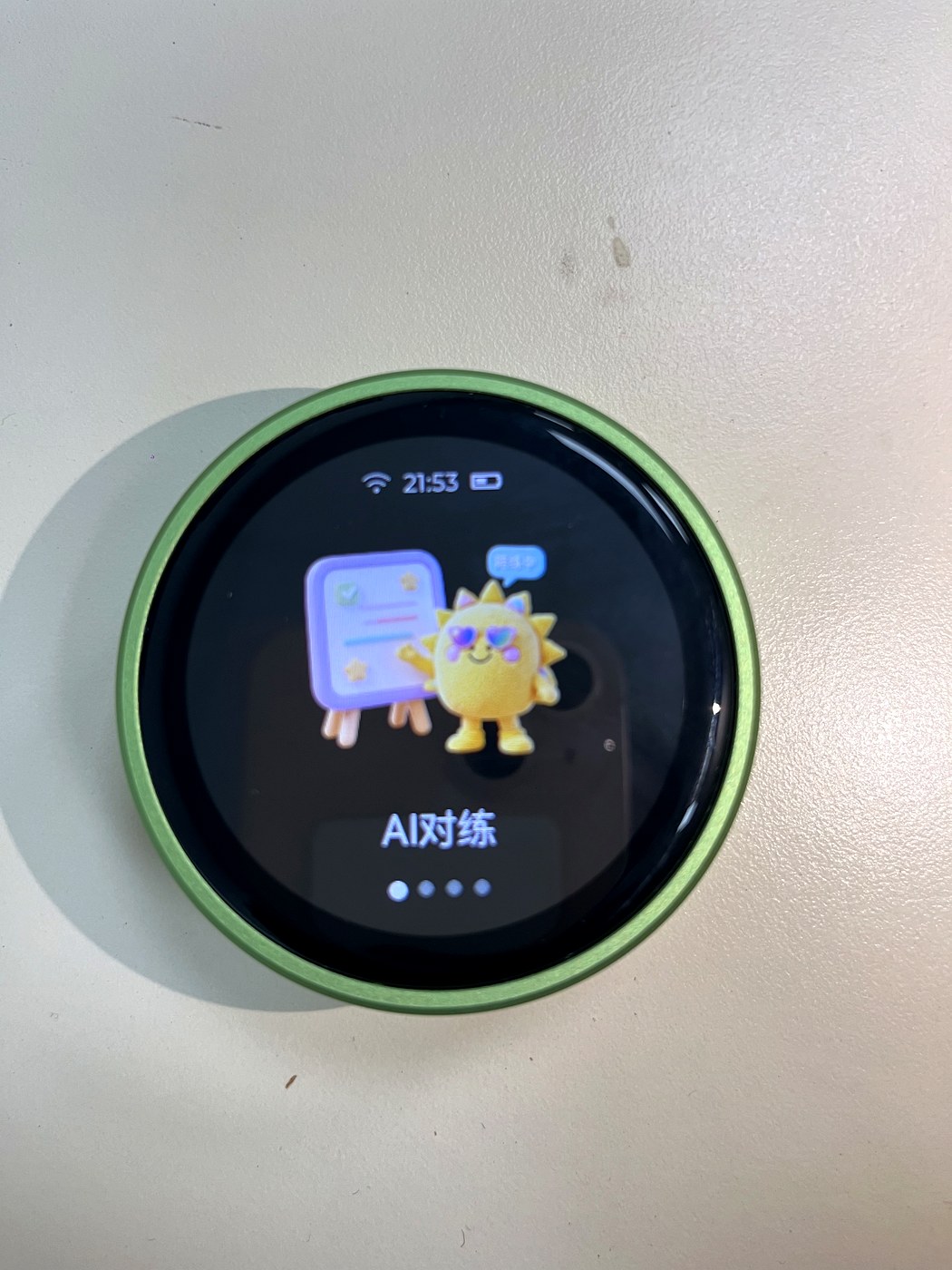
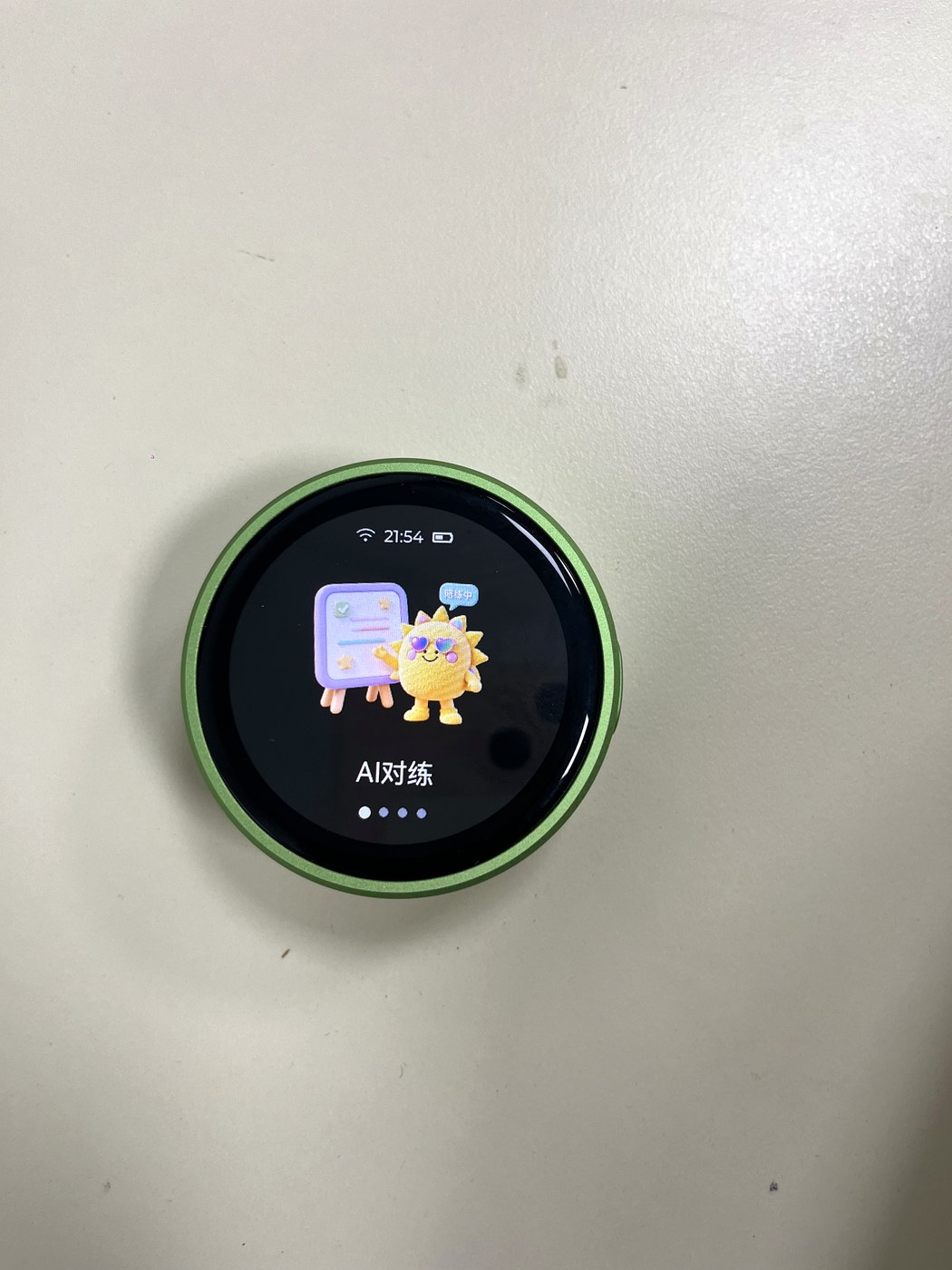
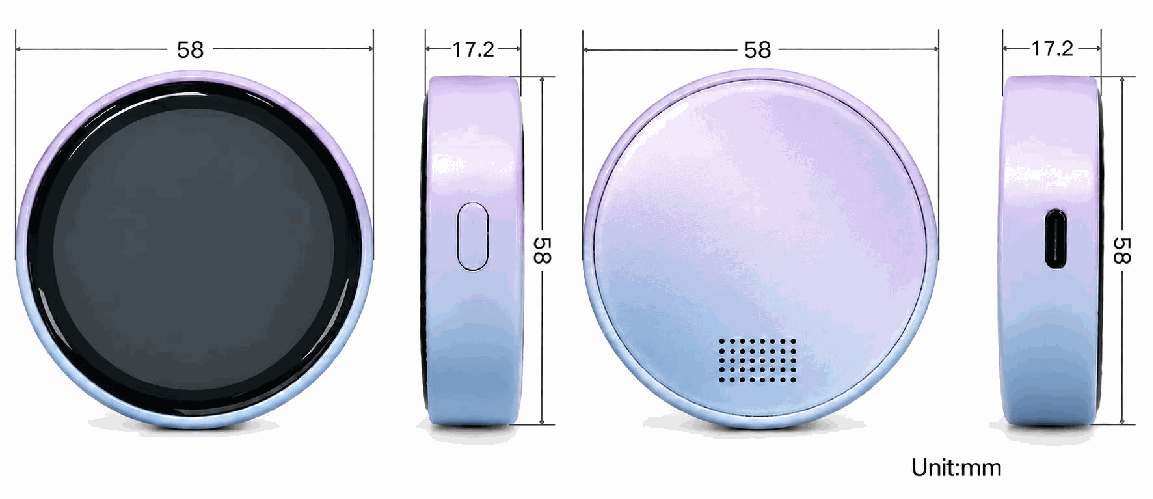
One more reason it is circular rather than square: a circle has no wrong way up. A child pulls it from a pocket and uses it immediately. At 58 mm across, 17.2 mm thick and roughly 55 g, small hands can hold it comfortably.
Three tips for parents
- Short and frequent: 10–15 minutes a day beats a two-hour weekend session.
- Do not interrupt to correct: let the child finish the sentence and let the device score it; parents just encourage.
- Watch the wordbook, not the score: scores fluctuate; the wordbook is the real progress trail.
FAQ
- Q:At what age should a child start with an AI speaking practice device?
- From the first year of primary school is fine. For younger learners, 10–15 minutes per session with short sentences and encouraging feedback; older learners can go 20–30 minutes with open-ended follow-up questions.
- Q:Will an AI speaking practice device replace a human tutor?
- No — it replaces the 90% of time when nobody is available to practise. A human tutor provides high-quality interaction and authentic context; AI practice provides high-frequency, low-cost, anywhere access to actually speaking.
- Q:With no SIM card and no app, how does content get updated?
- The device connects over its own Wi-Fi. Scenarios, characters, lesson content and model capabilities are updated from the cloud, so parents never import resources manually.
Specifications and custom enquiries: AI speaking practice device. For your own brand or a localised version, see AI Consumer Devices ODM.